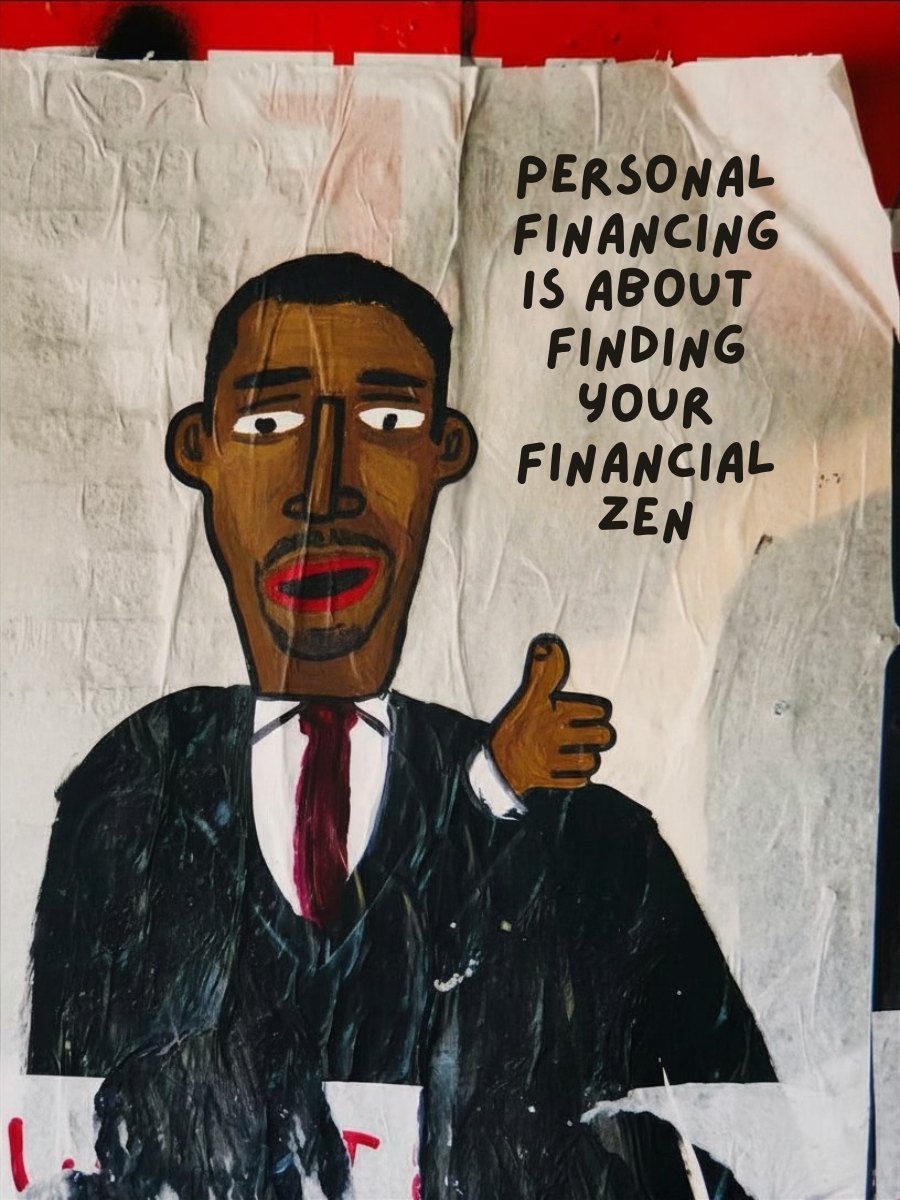
It happened, I’m unofficially, officially the personal finance blogger of the team. And I’m perfectly fine with that. As I mentioned in a previous blog, it’s become a bit of a passion area of mine. Understanding how money works, understanding different tools, and understanding different methods has become a fun ‘hobby’ of mine. If you had asked me years ago if this would ever be something I’d care about, my answer would be undoubtedly no. Not because I didn’t care about finances, but because they TERRIFIED me! And honestly, being financially well… seemed like an impossibility. I would see other people post about their successes with money. Hitting it big day trading, starting a business, becoming an influencer, flipping real estate, I was seeing all these avenues to wealth, and none of them clicked with me. Even though they didn’t click, I felt like I was missing out because I wasn’t taking part.
It took me a while to realize that it wasn’t finance that wasn’t clicking with me. It was that I wasn’t clicking with the fact that personal finance is PERSONAL. I had to find a method that worked for me, and not feel pressured by what someone else is doing or suggesting. Here are a few tips to help you discover your own personal finance philosophy
- Do your Research: It’s easier than ever to find FREE resources on financial advice, wellness, and tools. Set aside some time to get an idea of what the different approaches are. Search ‘personal finance’ on YouTube. Download the Libby app and borrow an audiobook related to personal finance. Listen to a podcast like ‘The Money Guys’ or ‘Earn Your Leisure’ to see if any of their advice connects with you. Do yourself a favor and make sure your sources are vetted.
- Ask for Advice: Money management has been a topic of discussion for centuries! Chances are, someone before you has had a personal finance philosophy that you resonate with. Ask several people you’re close to how they handle their finances and share their strategy if they feel comfortable (bonus points if they reflect where you ACTUALLY want to be.) Money talk doesn’t have to be so awkward and should be more normalized. Just because you listen to advice doesn’t mean you have to take it. Your parents may tell you that the only way to financial freedom is owning a house. That might not be true for you, and that’s okay. It’s just nice to have a few reference points if you don’t know where to start.
- Set a Goal: There should always be an end game for your financial wellness, or else, what’s the point? Your goal doesn’t have to be ‘become a multimillionaire, or to be a homeowner. Your goal doesn’t have to be so grandiose that it feels impossible. Find a goal post that fits the life you want to live. It could be something as simple as having enough to not worry about an emergency, or enough to take a vacation once a year. Reflect on what you want and make a plan that aligns.
- Be Flexible: Tools for financial wellness will continue to change, and so will your priorities. Don’t limit yourself by becoming fixated on one approach. Keep a growth mindset and understand that there will always be new information or a significant life event that will necessitate a different approach.
I hope this encourages you to not feel pressure to do things someone else’s way or to avoid the topic of personal finance because you’re unsure. Consider my advice and start your personal financial journey today.

Sean Simpson
Expansion Director